Source eco friendly construction slot car toy for schools, events, and playrooms
Find 30 listings for eco friendly construction slot car toy options from Guangdong suppliers. Buyers can compare specifications, packaging, and age ranges for models suitable for children aged 2 to 14 years.
Key considerations
Products List
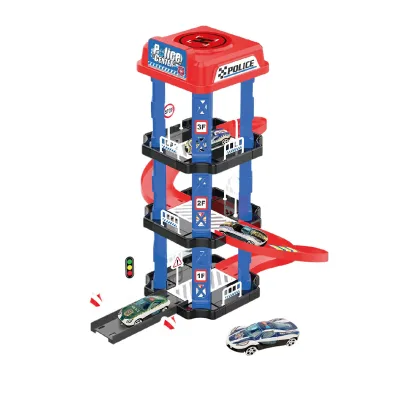
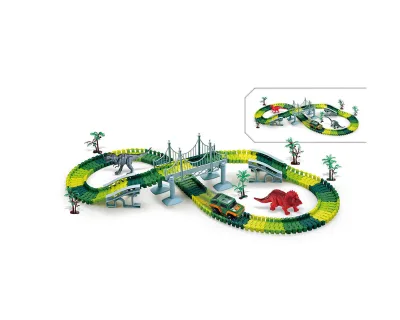
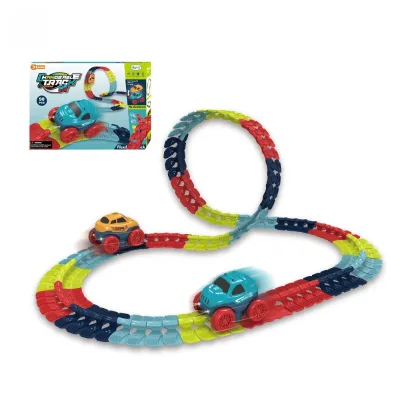
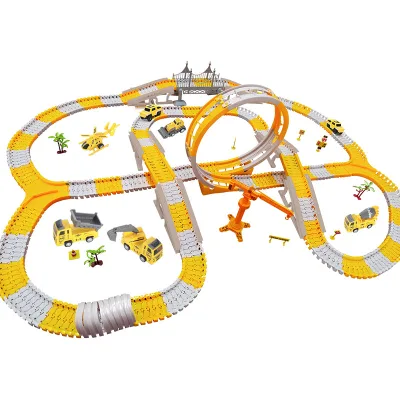


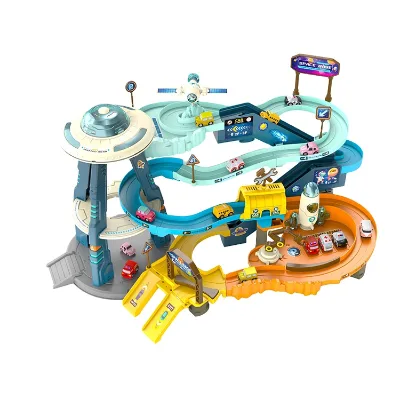


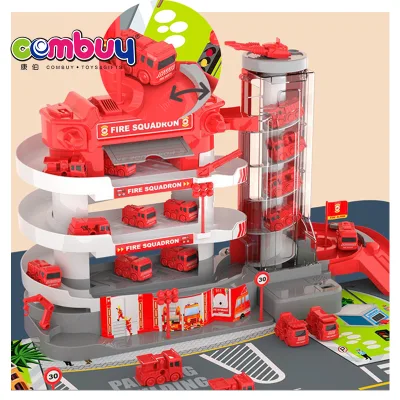
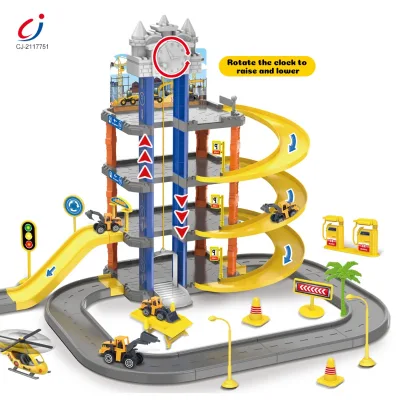
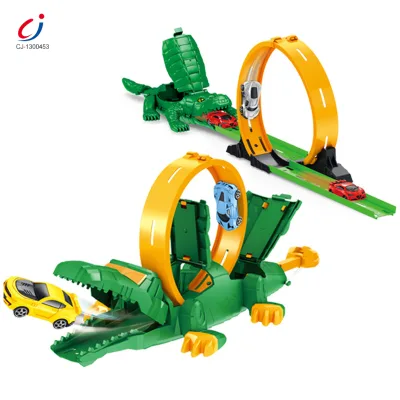

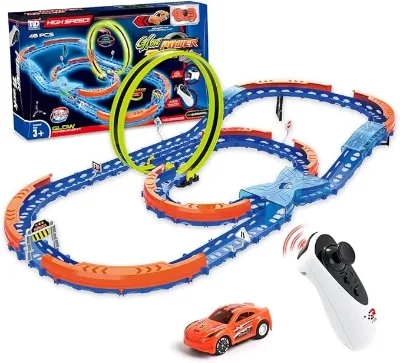
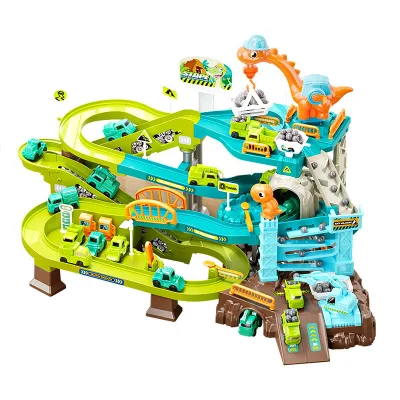
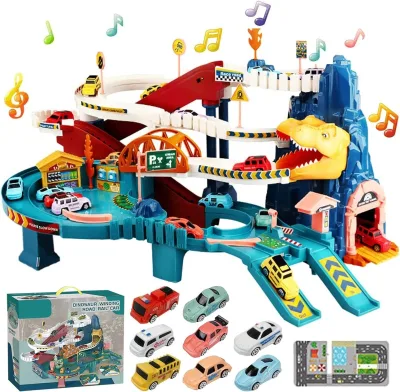
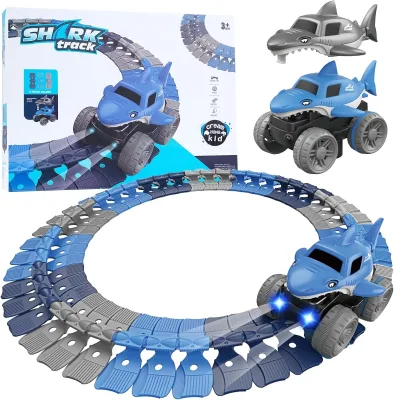
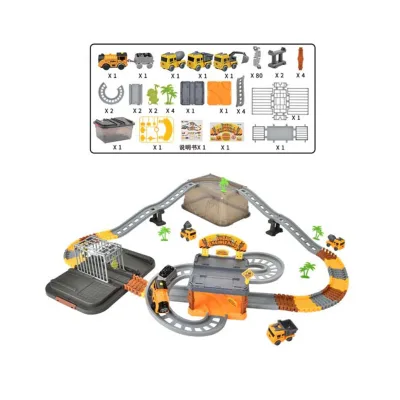
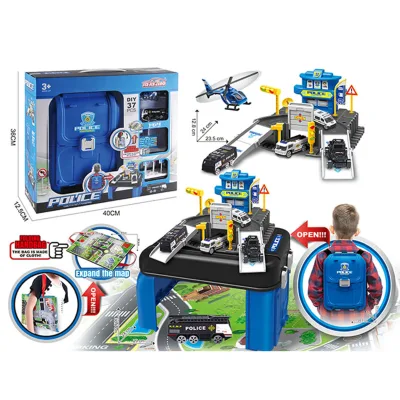
Comprehensive Sourcing Guide
Strategic Sourcing Guide for Eco-Friendly Construction Slot Car Toys
Understanding the Product Category and Technical Specifications
The procurement of slot car toys, particularly those framed within an "eco-friendly construction" narrative, requires a precise understanding of the underlying product architecture. In the current market, the term "construction" in this context often refers to the assembly nature of the toy or the specific track systems that mimic industrial logistics, rather than the material composition alone. The observed product data reveals a diverse range of specifications that buyers must navigate. A primary technical observation is the variance in power sources; while some listings indicate "No Battery," others explicitly specify "Alkaline AA" or "Alkaline AAA" batteries. This inconsistency necessitates a rigorous clarification during the supplier engagement phase to ensure the final product aligns with the intended operational model.
Material composition is a critical factor when evaluating the "eco-friendly" claim. The supplied data highlights two primary material types: standard "Plastic" and "ABS" (Acrylonitrile Butadiene Styrene). ABS is generally preferred for its durability and impact resistance, which are essential for toys subjected to frequent handling by children. However, the sustainability of these materials depends heavily on the manufacturing process and the source of the resin. Buyers should verify if the plastic used is virgin, recycled, or a blend, as this directly impacts the environmental footprint of the product. The scale of the vehicles also varies significantly, with observed ratios including 1:72 and 1:32. The 1:32 scale is a standard in the slot car racing community, offering a balance between track space requirements and vehicle detail, whereas 1:72 is typically associated with model railway scales.
Physical dimensions and packaging data provide further insight into logistics planning. Single package sizes observed range from compact units like 51x34x11 cm to larger configurations such as 62x34x53 cm. The single gross weight varies from 0.800 kg to 2.500 kg per unit, while bulk packaging data indicates a density of approximately 36 pieces per carton with a total gross weight of 25 KGS for a standard container load. These figures are vital for calculating freight costs and warehouse storage requirements. The "Style" is consistently identified as "Slot Toy" with a "Function" described as "Truck Railway Play," suggesting a hybrid play pattern that combines racing dynamics with construction-themed scenarios.
Compliance and Certification Verification Protocols
When sourcing toys, particularly those marketed with environmental or safety claims, compliance verification is non-negotiable. The provided data lists several specific certifications that serve as benchmarks for quality and safety: EN71, 62115, 7P, ASTM, and HR4040. These standards cover mechanical safety, chemical composition, and electrical safety. EN71 is the European standard for toy safety, while ASTM F963 is the corresponding American standard. The presence of "7P" indicates compliance with regulations regarding phthalates, and "HR4040" refers to a specific US safety standard for toy safety.
However, buyers must exercise caution regarding the "eco-friendly" designation. While the data mentions certifications like FSC (Forest Stewardship Council) in the low-confidence background, this standard typically applies to wood and paper products, not plastic slot cars. Therefore, an "eco-friendly" claim for a plastic toy should not rely on FSC certification. Instead, verification should focus on the material safety certifications (EN71, ASTM) and any specific environmental declarations regarding the plastic resin used. The "Third party inspection: Accepted" attribute in the data suggests that suppliers are open to independent verification, which is a positive indicator for quality assurance.
Buyers should explicitly request test reports for the specific batch of goods being procured. The data indicates that some products are "Unisex" while others are targeted specifically at "Boys," which can influence the design and marketing but does not alter the safety requirements. The age ranges listed span from "2 to 4 Years" up to "14 Years & up," meaning the safety testing must be rigorous enough to cover the youngest demographic, which includes small parts and choking hazard assessments. The "Color" options, ranging from "as picture" to specific shades like "Blue" or versions like "Luxury version," should be verified against the approved sample to ensure no unauthorized colorants are used that might violate chemical safety standards.
Cost Drivers and Pricing Structure Analysis
The pricing landscape for slot car toys is influenced by a complex interplay of factors, including material costs, manufacturing complexity, and order volume. The observed price range in the market spans from $0.05 to $17.06 USD. This wide disparity indicates that the "eco-friendly construction slot car" category encompasses everything from basic, single-piece components to fully assembled, branded sets with extensive packaging. The lower end of the spectrum likely represents individual car bodies or basic track pieces, while the higher end corresponds to complete sets with advanced features, such as those requiring AA or AAA batteries.
Minimum Order Quantity (MOQ) is another significant cost driver. The data shows an MOQ range from 2 to 25,000 units. A low MOQ of 2 allows for small-scale testing or niche market entry but often comes with a higher unit cost due to the lack of economies of scale. Conversely, an MOQ of 25,000 suggests a high-volume manufacturing run, which typically reduces the per-unit cost but requires significant capital commitment and storage capacity. Buyers must align their order volume with their sales forecasts to optimize the cost per unit.
Packaging and logistics also contribute to the final landed cost. The "Single package size" and "Carton size" data indicate that packaging efficiency varies. For instance, a carton containing 36 pieces with a gross weight of 25 KGS and a CBM of 0.32 represents a specific density that affects shipping rates. If the packaging is oversized relative to the product value, shipping costs will eat into margins. The "Supply Type: OEM Service" attribute suggests that customization is possible, which can add to the cost. Custom molds, branding, and specific color requirements will increase the unit price compared to standard off-the-shelf items.
Typical Applications and Target Demographics
The target demographics for these toys are clearly defined by the age ranges provided in the data: "2 to 4 Years," "5 to 7 years," "8 to 13 Years," and "14 Years & up." This broad spectrum indicates that the product line is designed to grow with the child. Younger children (2-4 years) require toys with larger parts and simpler mechanics, often focusing on the "Truck Railway Play" aspect where the construction theme is more prominent. Older children (8-13 years) and teenagers (14+) are more likely to engage with the competitive racing aspects of the slot car, particularly those in the 1:32 scale which offers higher detail and speed.
The "Function" of "Truck Railway Play" suggests applications in educational settings as well as home entertainment. These toys can be used to teach concepts of logistics, engineering, and physics in a playful manner. The "Style" of "Slot Toy" implies a specific type of play that involves racing on a fixed track, which is a popular activity for group play and social interaction. The "Gender" attribute is listed as "Unisex" for some items and "Boys" for others, reflecting market trends where slot cars are often marketed towards boys, though the "Unisex" designation opens up broader market potential.
The "Selling Units" being "Single item" or "Single Item Single PA" indicates flexibility in sales channels. Retailers can purchase individual units for display or bulk packs for resale. The "Color" options, including "basic version," "Upgraded version," and "Luxury version," allow for tiered marketing strategies. The "basic version" might target budget-conscious consumers, while the "Luxury version" could appeal to collectors or gift buyers looking for premium packaging and features.
Supplier Evaluation and Selection Criteria
Selecting the right supplier is critical for ensuring product quality and supply chain reliability. The data indicates that suppliers offer "OEM Service," which implies they can customize products based on buyer specifications. This is a key differentiator for buyers looking to create a unique brand identity. However, the presence of multiple brand names in the data, such as "KTONOG" and "HYUE," suggests that the market includes both branded and white-label manufacturers. Buyers should evaluate whether they want to work with an established brand or a manufacturer capable of producing their own private label.
The "Third party inspection: Accepted" attribute is a strong indicator of a supplier's commitment to quality. It suggests that the supplier is willing to undergo external audits and testing, which reduces the risk of receiving substandard goods. Buyers should prioritize suppliers who have a history of passing these inspections and can provide documentation of their compliance with standards like EN71 and ASTM.
Location is another factor to consider. The "Place of Origin" is consistently listed as "Guangdong, China," which is a major manufacturing hub for toys. This region offers a mature supply chain and a wide range of manufacturing capabilities. However, buyers should be aware of potential logistical challenges and lead times associated with shipping from this region. The "Lead time" is not explicitly provided in the data, so buyers must negotiate this directly with suppliers to ensure it aligns with their inventory planning.
Quality Control and Long-Term Procurement Considerations
Quality control (QC) is paramount in the toy industry, especially when dealing with products intended for children. The data highlights several QC-related attributes, including "Third party inspection: Accepted" and specific certifications. Buyers should implement a robust QC strategy that includes pre-production sample approval, in-process quality checks, and pre-shipment inspections. The "Single gross weight" and "Single package size" data should be used to verify that the final product matches the specifications agreed upon during the sampling phase.
Long-term procurement considerations involve building a sustainable relationship with the supplier. The "Supply Type: OEM Service" suggests that the supplier is capable of long-term collaboration. Buyers should focus on suppliers who demonstrate flexibility in handling order volume fluctuations and who are responsive to quality issues. The "Model Number" variations, such as "D187173" and "HYUE," indicate that suppliers may have multiple product lines. Buyers should ensure that the specific model they are sourcing is consistent in quality and availability over time.
Environmental sustainability is a growing concern for buyers and consumers alike. While the "eco-friendly" claim in the keyword requires careful verification, buyers can drive sustainability by requesting suppliers to use recycled materials, reduce packaging waste, and optimize logistics to lower carbon emissions. The "CBM" (Cubic Meter) data provided can be used to calculate the efficiency of shipping loads, helping to minimize the environmental impact of transportation.
Comparative Analysis of Product Variants
To assist buyers in making informed decisions, the following table compares key attributes of the observed product variants based on the supplied data. This comparison highlights the differences in scale, material, and packaging that influence procurement decisions.
| Attribute | Variant A (Model D187173) | Variant B (Model HYUE) | Variant C (General Slot Car) |
|---|---|---|---|
| Scale | 1:72 | Not Specified | 1:32 |
| Material | Plastic | ABS | ABS |
| Battery | No Battery | Alkaline AAA | Alkaline AA |
| Age Range | 2-4, 5-7, 8-13 | 8-13 | 5-7, 8-13, 14+ |
| Single Pkg Size | 50x32x44 cm | 45x14x35 cm | 62x34x53 cm |
| Single Gross Weight | 0.800 kg | 1.200 kg | 2.500 kg |
| Certifications | Not Listed | EN71, 62115, 7P, ASTM, HR4040 | Not Listed |
| Target Gender | Unisex | Boys | Unisex |
| Function | Truck Railway Play | Slot Toy | Slot Car |
This table illustrates that while all variants fall under the "slot car" category, they differ significantly in their technical specifications and target markets. Variant A, with its 1:72 scale and lack of battery, is likely a simpler, more affordable option suitable for younger children or as a component of a larger set. Variant B, with its ABS material and comprehensive certifications, represents a higher-quality product suitable for the 8-13 age group. Variant C, with its larger size and heavier weight, suggests a more complex or feature-rich product aimed at older children and collectors.
In conclusion, sourcing eco-friendly construction slot car toys requires a meticulous approach that balances technical specifications, compliance requirements, and cost considerations. By leveraging the detailed data provided and adhering to rigorous quality control standards, buyers can navigate the complex toy market to secure products that meet both safety and sustainability goals. The diversity in product attributes offers ample opportunity for customization and market segmentation, allowing buyers to tailor their offerings to specific demographic needs.
FAQs
What materials are used for eco friendly construction slot car toys?
These toys are typically constructed from standard plastic or ABS materials. The specific material depends on the manufacturer, with ABS offering higher durability for racing dynamics while standard plastic is common for basic versions.
Which certifications ensure safety for children using these slot cars?
Valid products often carry EN71, ASTM, and HR4040 certifications to ensure mechanical and chemical safety. Third-party inspections are also accepted by many suppliers to verify compliance with these rigorous international toy safety standards.
How do battery requirements vary for these slot car toys?
Battery requirements vary significantly, with some models requiring no battery while others need Alkaline AA or AAA batteries. Buyers must clarify the power source specification before ordering to ensure the product matches the intended operational model.
Can suppliers provide OEM services for custom branding?
Yes, suppliers offer OEM services allowing for custom branding and design modifications. This capability enables buyers to create unique product lines with specific colors, packaging, or model numbers like D187173 or HYUE tailored to their market.
What is the typical age range for these construction slot car toys?
The target age range spans from 2 to 4 years up to 14 years and older. Younger children often engage with the truck railway play aspect, while older kids and teens prefer the competitive racing features of the 1:32 scale models.
How does the minimum order quantity affect pricing for these toys?
Minimum order quantities range from 2 to 25,000 units, directly influencing the per-unit cost. Lower MOQs allow for small testing batches but usually carry higher prices, whereas large volume orders reduce costs through economies of scale.
Where are these slot car toys typically manufactured?
The primary place of origin for these toys is Guangdong, China. This region hosts a mature manufacturing hub with extensive capabilities for producing plastic toys and managing the logistics required for global export.